


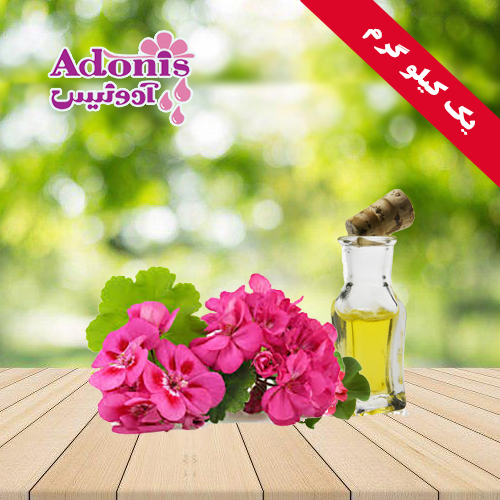
Geranium is a slow-growing, perennial, herbaceous plant with long stems that has round leaves with wavy margins and a scent similar to roses and apples.
Geranium flowers with red veins are produced in spring and summer. These flowers are composed of five sepals, five petals, and ten stamens joined together. The height of the geranium bush is about sixty centimeters. Geraniums are grown as ornamentals, for essential oils, or for medicinal use. The part used in these plants is the leaves or aerial parts from which essential oils are extracted. From these plants, they extract a type of essential oil with a pleasant scent called Geranium Rosa.
Therapeutic properties
Geranium is a sedative and antidepressant, and has disinfectant and antiseptic properties, reduces swelling, and controls bleeding.
All parts of the plant are astringent. It is used internally to treat premenstrual pain and menopausal problems, nausea and upset stomach, tonsillitis, and poor circulation.
It is used externally to treat acne, hemorrhoids, eczema, burns, dandruff, and lice.
Its leaves can be used fresh all year round. The essential oil (volatile oil) extracted from its leaves is used for aromatherapy. Geranium essential oil is antiseptic and antipyretic.
It is used in perfumery and in the preparation of tooth powder, ointments, and beauty products.
Geranium is a valuable fragrance for skin with oily spots. Therefore, many cosmetic companies use plant extracts to produce various products, including creams and lotions.
Geranium is a member of the aromatic plant family, and is analgesic, anti-anxiety, antidepressant, sedative, and tranquilizer.


